Featured Content

Decentring knowledge
Decolonising African costume and textile – naming, symbols and meaning in the Ghanaian context
This digital exhibition is based on practice led research over several years culminating in MIDEQ Researcher Naa Densua’s work in WP11 and with textiles in the Ghana-China, Malaysia-Nepal corridors, as well as for the UNESCO Chair at University of Glasgow.
Read more
Decentring knowledge
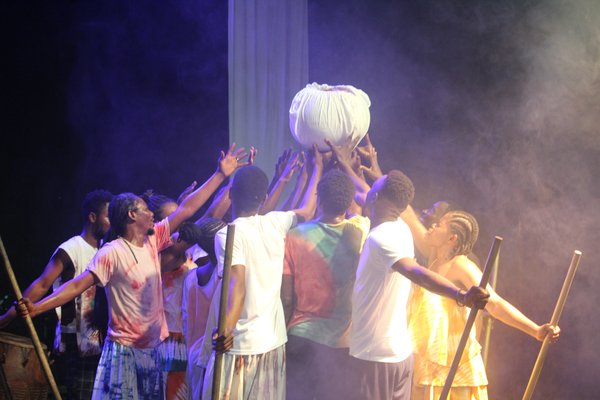
Fiemi Ha Orchestra Ghana and the Dodowa Singers
The creative resistance and access to justice teams collaborated to translate research findings into performance using music, dance and textile for artistic interpretation and representation.
Read more

Decentring knowledge
Coloniality, migration research and epistemic injustice
This blog introduces one part of these debates, namely recent critiques of Eurocentrism in migration research, and discusses it in relation to recent scholarship in feminist philosophy.
Read more

Decentring knowledge
From Ethiopia to South Africa: The human cost of a neglected migration route
This ongoing series from The New Humanitarian explores the humanitarian implications of South-South migration. Although South-South migration flows are larger than the numbers of people heading South to North – with all the inherent risks of undocumented travel – these cross-border, intra-regional journeys tend to be neglected by governments and aid agencies.
Read more